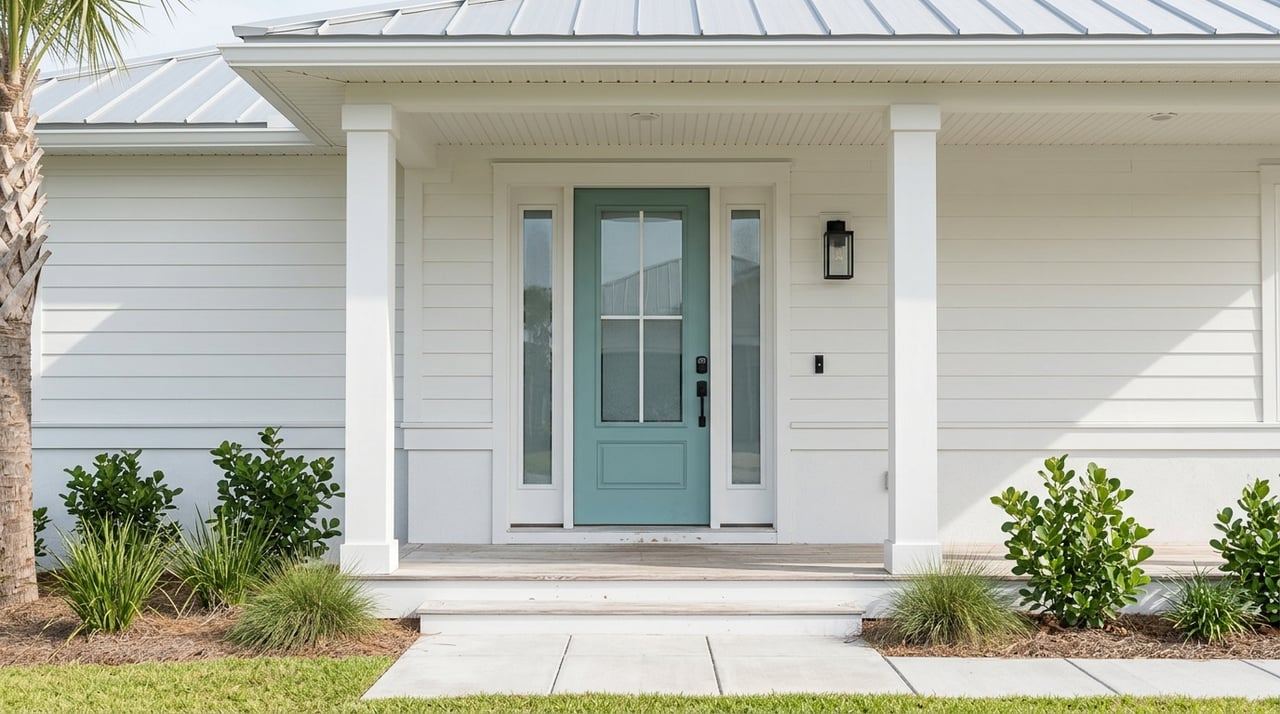
If you want a Florida home you can enjoy for part of the year without turning every trip into a maintenance project, Plantation Bay is worth a close look. Seasonal living sounds simple, but the right fit depends on more than sunshine and amenities. You need a community that supports your routine, your budget, and your away-from-home plan. Let’s dive in.
Why Plantation Bay Works Seasonally
Plantation Bay Golf & Country Club can make sense for snowbirds and seasonal residents because it offers both lifestyle options and practical flexibility. The community is gated, master-planned, and located in Ormond Beach, with the added detail that it stretches into both Flagler and Volusia counties.
That county split matters more than many part-time owners expect. If you are comparing homes here, you should confirm the exact parcel location so you know which county handles emergency guidance, evacuation zones, and local public notices.
For many second-home buyers, location is part of the appeal. Plantation Bay describes itself as about four miles from the Atlantic beach, with access along the Ormond Scenic Loop & Trail route, so a beach outing can feel easy and close instead of like a day-long commitment.
Amenities Without Full-Time Pressure
One reason Plantation Bay stands out for part-time living is the size of its amenity package. The community lists two clubhouses, a 7,000-square-foot spa and fitness center, 10 Har-Tru tennis courts, 10 pickleball courts, and championship golf.
That gives you more than one way to use the home during your stay. You can build your season around golf, fitness, dining, court sports, social events, or short trips to the beach, depending on how active or relaxed you want your routine to be.
Membership Is Optional
A common question from seasonal buyers is whether club membership comes with the home. According to Plantation Bay, membership is optional, with separate club, sports, and fitness tiers.
That is helpful if you want flexibility. You can choose a lighter-touch setup if you only spend part of the year in Florida, or a more involved membership if you plan to use the community often during your stay.
It is also important to read the details. The community notes that food and beverage minimums apply to memberships, so you should avoid assuming that every amenity is automatically included with ownership alone.
A Good Match for Lock-and-Leave Living
For many snowbirds, the real goal is not just comfort. It is simplicity. A seasonal home should be easy to close up, easy to maintain, and easy to return to.
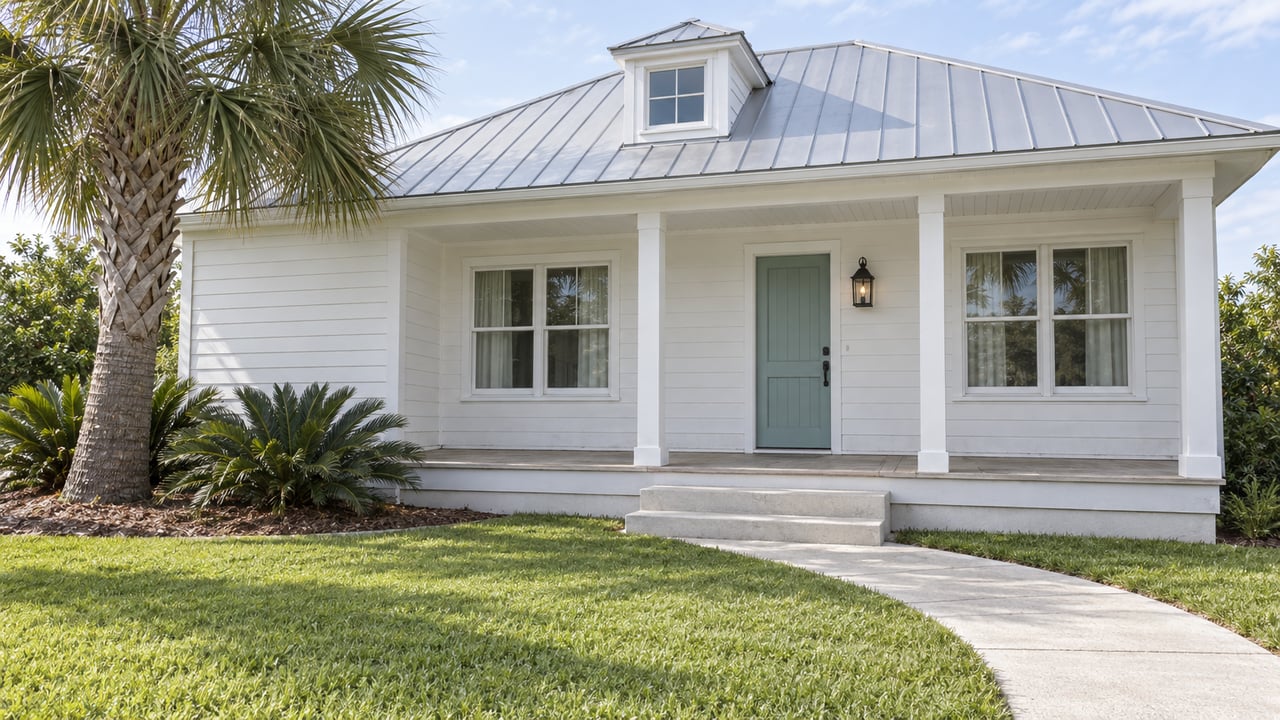
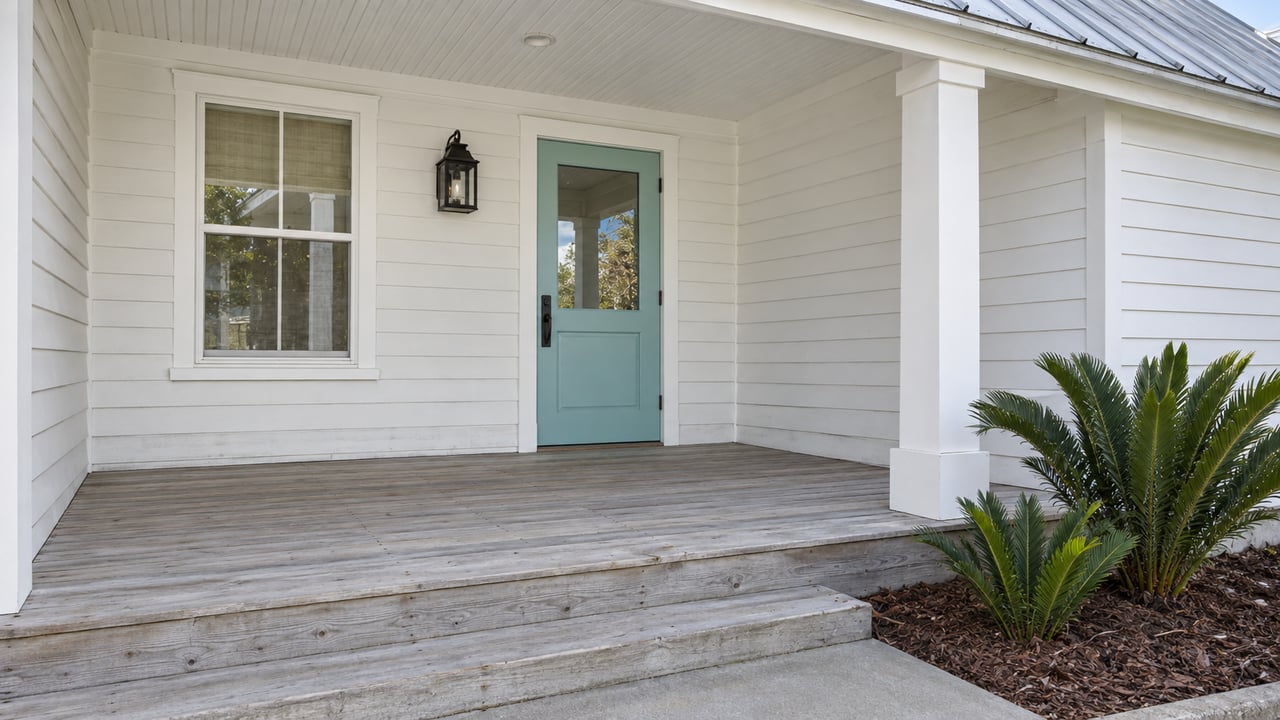
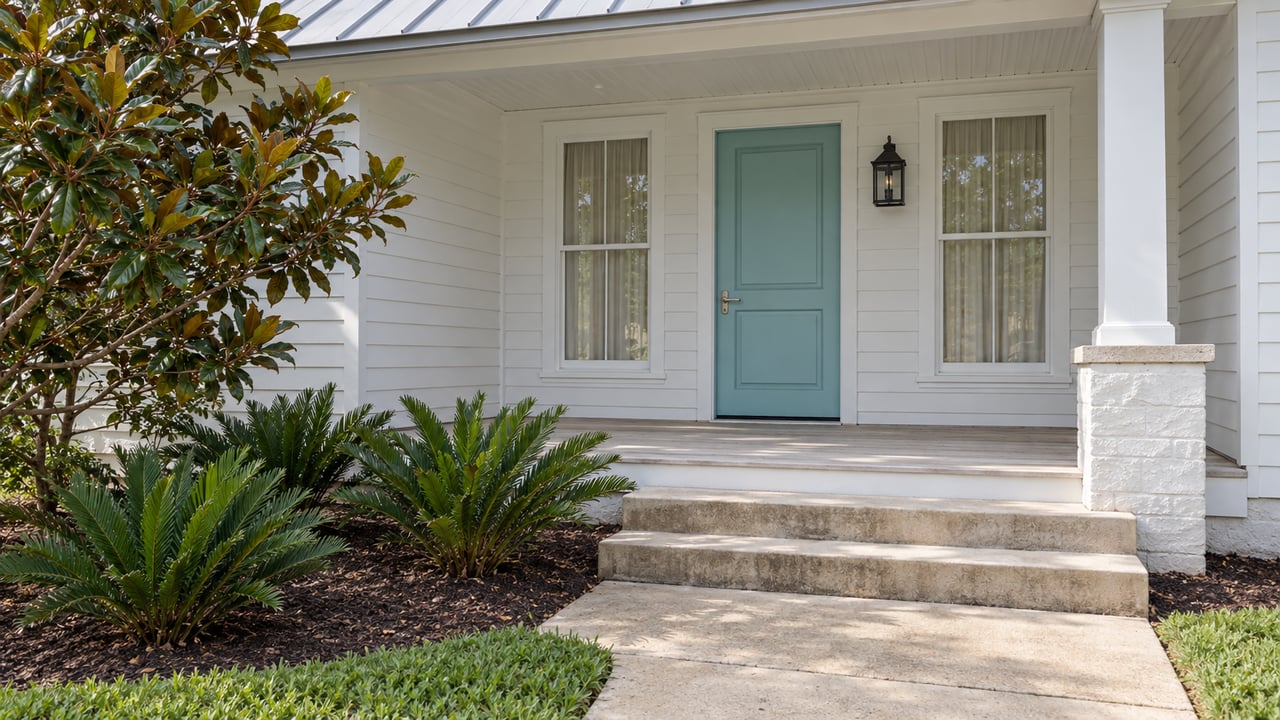
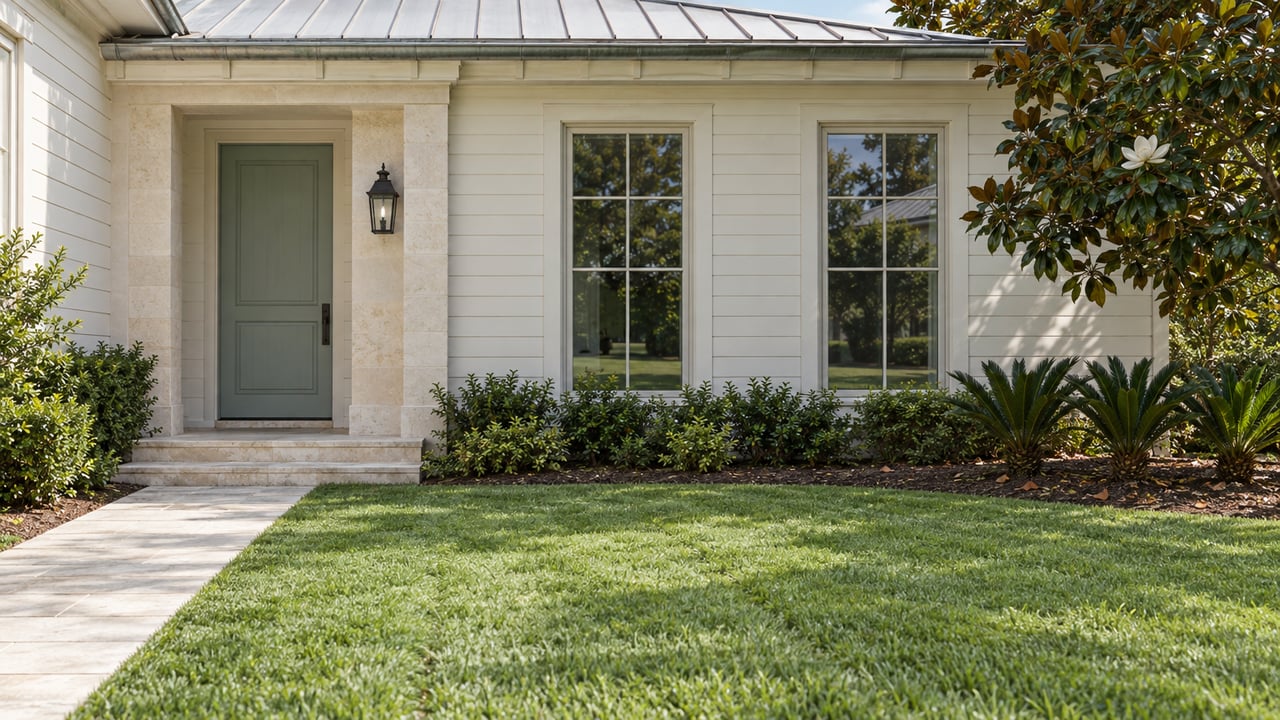
That is where Plantation Bay’s lower-maintenance options become especially relevant. The community says its townhomes are designed for seasonal residency and low-maintenance living, with no yard work or exterior maintenance obligations.
If you want a home base without a long list of outdoor chores, that can be a major advantage. Instead of spending your first few days back dealing with landscaping or exterior upkeep, you can focus on settling in and enjoying your time in Florida.
Layered HOA Rules Matter
Plantation Bay’s HOA setup is layered. The master association manages community-wide matters, while sub-associations handle neighborhood-specific concerns.
For a seasonal buyer, that means you should look beyond the community name and review the rules and fees tied to the exact property. Two homes in the same overall community may have different obligations depending on the neighborhood structure.
Why Florida’s Seasonal Pattern Fits Here
Plantation Bay is not just a place for one holiday week or one favorite hobby. It fits the broader rhythm that brings many part-time residents to Florida in the first place.
A University of Florida analysis found that Florida’s older population shifts sharply through the year, with a large winter arrival of snowbirds and a summer departure of sunbirds. In that study, 83 percent of snowbirds said warm winters were the reason they came, and more than 72 percent spent more than three months at their secondary residence.
Local climate data supports that pattern. NOAA normals for the Daytona Beach area show an average January high of 69.0 degrees and an average July high of 90.2 degrees, with the wettest stretch running from June through September. September averages 7.15 inches of precipitation.
That helps explain why many seasonal owners prefer a late-fall-through-spring routine. You can enjoy cooler temperatures, stay active outdoors more comfortably, and plan your heavier home use outside the peak of summer heat and rain.
Planning Around Hurricane Season
If you own a seasonal home in coastal Florida, weather planning is part of ownership. The official Atlantic hurricane season runs from June 1 through November 30, so your arrival and departure schedule should factor that in.
The practical takeaway is not to avoid the area. It is to have a plan before you need one. Seasonal ownership works best when lifestyle decisions and preparedness decisions go hand in hand.
The National Weather Service recommends preparing before June 1 by knowing your evacuation zone, building an emergency kit, writing an emergency plan, checking your insurance coverage, and understanding storm watches and warnings. For Plantation Bay owners, the exact county of the property matters because county-specific resources differ.
Know Your County Resource
Flagler County provides evacuation zone maps and ALERTFlagler notifications through its emergency management office. Volusia County maintains its own hurricane preparedness and evacuation resources.
Because Plantation Bay spans both counties, you should not rely on a general community description alone. The correct source for alerts and storm guidance depends on the exact location of your home.
Support Systems for Absentee Owners
A seasonal home is easier to enjoy when you have dependable local support during the months you are away. That can include property management, cleaning, landscaping coordination, and pre-storm checks.
Plantation Bay’s real estate section identifies an in-house rental and property management firm, Venture Development Realty. That suggests there is already a local support ecosystem in place for absentee owners and investors who want an extra layer of oversight.
This is where practical planning matters just as much as lifestyle appeal. A beautiful home and strong amenities are helpful, but your ownership experience will usually feel smoother if you pair them with a repeatable maintenance and monitoring plan.
What Buyers Should Compare Carefully
If you are considering Plantation Bay for seasonal living, focus on the details that affect how the home will function when you are both there and away.
Here are a few smart comparison points:
- Whether the home is in Flagler County or Volusia County
- The exact HOA and sub-association rules and fees
- Whether the property type supports low-maintenance ownership
- Whether club membership fits your expected usage
- What local support you want in place for vacant periods
- How close the home is to the amenities you plan to use most
A buyer who plans to stay three or four months each year may want something different from a buyer using the home for shorter winter visits. The best fit usually comes from matching the property to your actual routine, not just the community brochure.
The Bottom Line on Plantation Bay
Plantation Bay offers a strong setup for snowbirds and seasonal residents who want more than just a place to sleep between beach days. You get a broad amenity base, optional membership structure, low-maintenance housing options, and convenient access to the coast.
At the same time, smart seasonal ownership here depends on asking the right practical questions. County location, HOA structure, weather planning, and local support services all matter, especially if you will spend months away from the property.
If you want help comparing homes in Plantation Bay and figuring out which options best match your seasonal goals, Geri Davis can help you navigate the details with local insight and practical guidance.
FAQs
Is Plantation Bay a good fit for snowbirds?
- Yes. Plantation Bay offers broad amenities, optional membership tiers, and housing options that can support part-time Florida living.
Is club membership required in Plantation Bay?
- No. Plantation Bay says membership is optional, with different club, sports, and fitness tiers available.
Are there low-maintenance homes in Plantation Bay for seasonal owners?
- Yes. The community says its townhomes are designed for seasonal residency and low-maintenance living, with no yard work or exterior maintenance obligations.
How close is Plantation Bay to the beach?
- The community describes the beach as about four miles away, with access along the Ormond Scenic Loop & Trail route.
What should seasonal owners verify before buying in Plantation Bay?
- You should confirm the property’s county, review the exact HOA and sub-association rules and fees, and plan for emergency readiness and property care during vacant months.
Why does the county matter for Plantation Bay owners?
- Plantation Bay spans both Flagler and Volusia counties, so emergency alerts, evacuation guidance, and local notices depend on the exact parcel location.