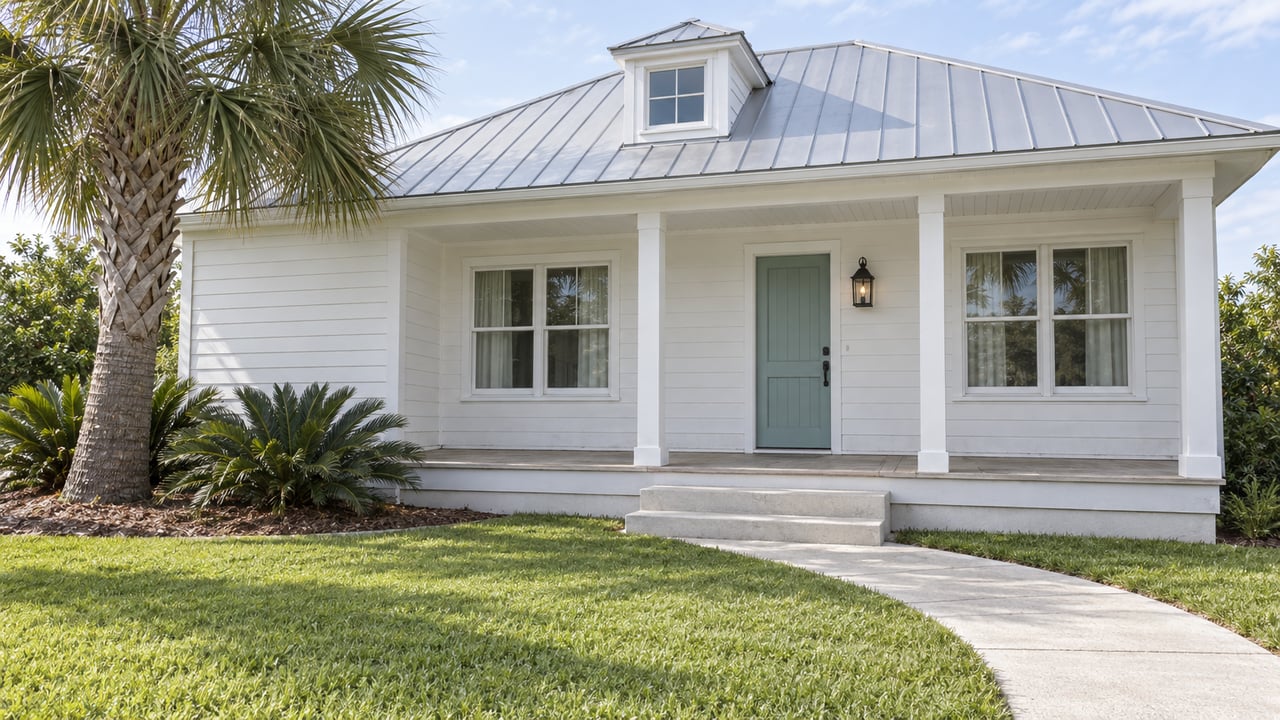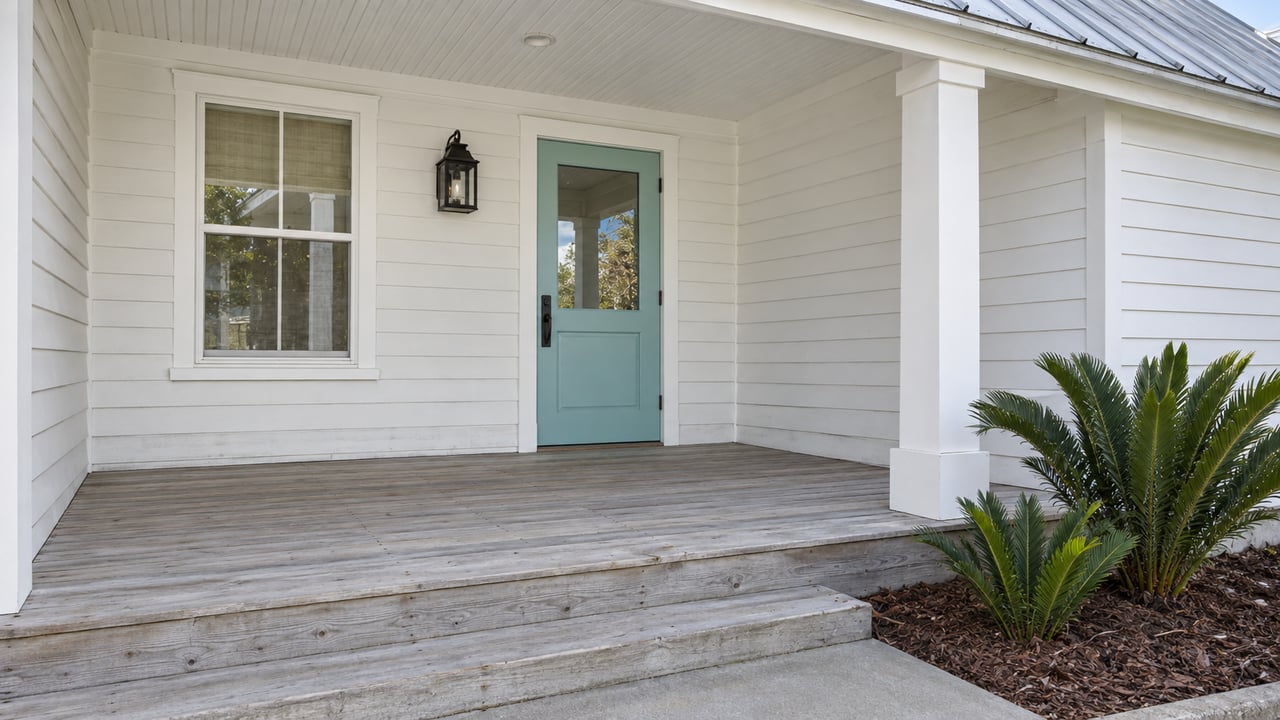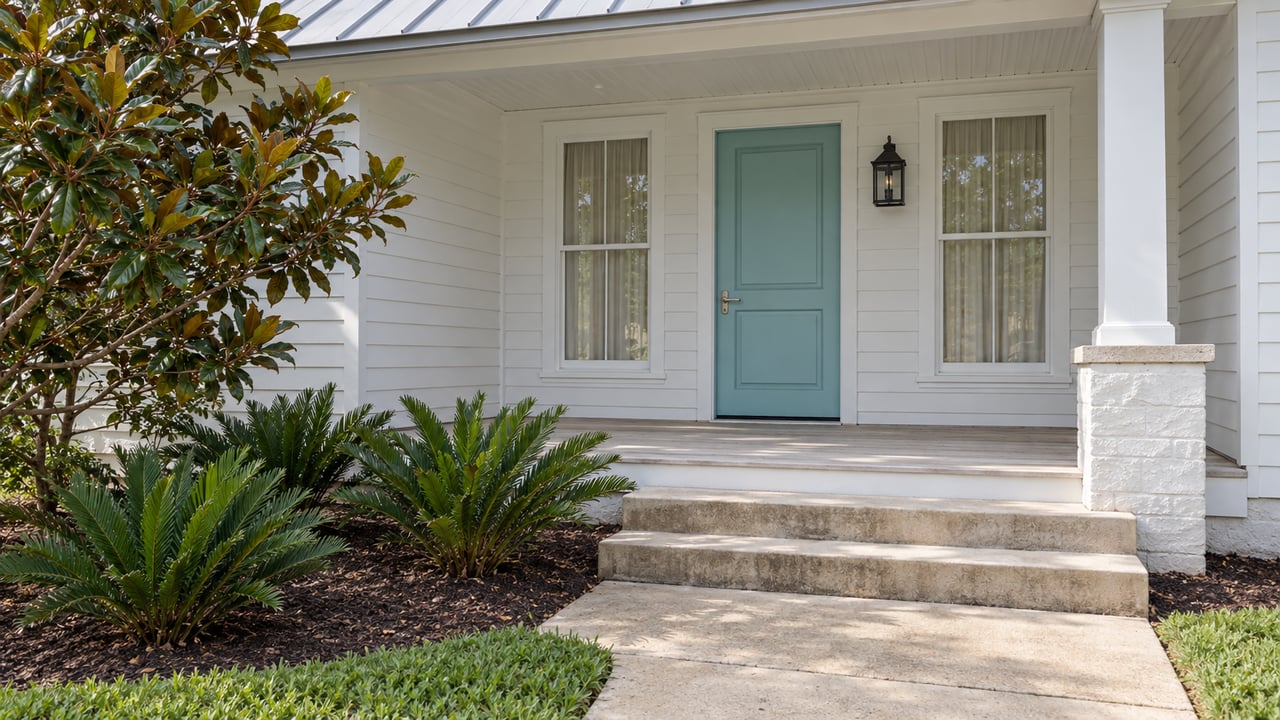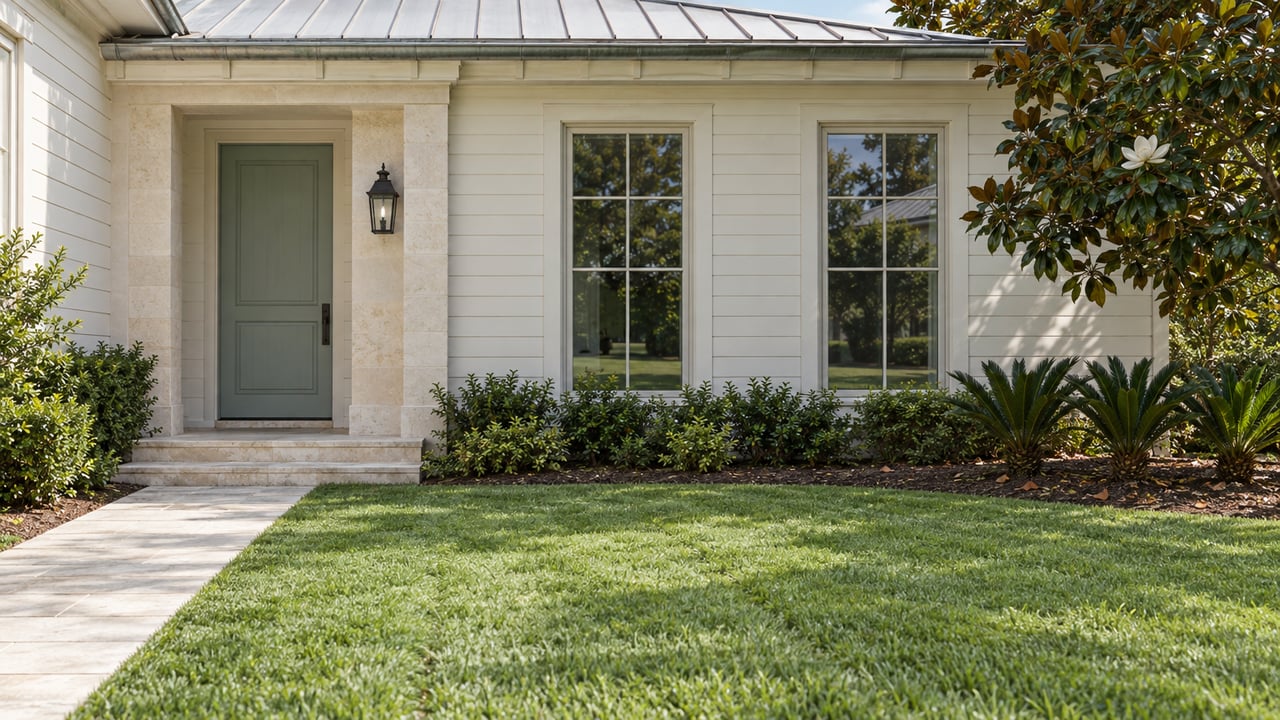
Thinking about trading winter coats for warm fairways and sunshine? If Plantation Bay Golf & Country Club is on your short list, you are not alone. Relocating from out of state takes more planning than a local move, especially in Florida where county lines, HOA rules, insurance, and build timelines can shape your path. This guide gives you a clear, step-by-step playbook tailored to Plantation Bay so you can plan with confidence, avoid delays, and enjoy the lifestyle you are moving for. Let’s dive in.
Plantation Bay at a glance
Plantation Bay is a large, master-planned, gated golf community marketed with an Ormond Beach address. You will find resort-style amenities and quick I‑95 access. For a lifestyle overview and membership details, review the community’s official site at the Plantation Bay Golf & Country Club page.
A unique detail matters early: Plantation Bay spans sections in both Flagler and Volusia counties. Your specific parcel may fall under different county property appraisers, tax authorities, school districts, and permitting departments. Before you make an offer, confirm which county governs the lot, the assigned taxing authorities, and the current HOA and club membership options.
HOA, membership, and documents
Plantation Bay has community associations that manage HOA rules and estoppels, and the club offers tiered membership options. As a buyer, plan to request the HOA documents and estoppel early in your contract period because estoppels can take time to produce. Start with the community associations resource to understand governance and contact points.
Taxes, homestead, and local approvals
If you plan to make Florida your primary residence, the Florida homestead exemption can lower your property tax burden. In Flagler County, eligibility is based on residency as of January 1 with a March 1 filing deadline for new applicants. Review the county’s requirements and documents on the Flagler County Property Appraiser’s homestead page.
If you intend to renovate or build, permit processes differ by location. Parcels on the Flagler side follow Palm Coast or Flagler County permitting, while Volusia-side parcels follow Volusia or Ormond Beach systems. Expect plan review and site inspections as your project progresses. Your agent and builder can help you determine the right channels based on your parcel.
Timelines: resale vs new construction
Timing your move is often the hardest part of an out-of-state relocation. Here is what is typical in and around Plantation Bay.
Resale closings: what to expect
For financed buyers, most resale transactions close about 30 to 45 days after contract acceptance when appraisal, underwriting, and title work stay on schedule. Cash buyers and well-prepared borrowers can sometimes close faster. Build in extra time if you need specialized inspections or if your insurer requires repairs before binding a policy.
Inspection windows in Florida are often negotiated at 7 to 15 days. Get your inspectors on the calendar as soon as you are under contract so you can complete reports inside your contingency period.
New construction: ICI Homes and build pace
If you prefer new construction, the builder process typically includes a design phase, permitting, on-site construction, and a final orientation before closing. ICI Homes, a signature builder in the community, cites an on-site construction window commonly around 8 months from start of construction, depending on lot readiness, weather, and supply factors. Review the builder’s current guidance on timelines and milestones on the ICI Homes build timeline overview.
If you are selling a home up north first, match your sale timeline to the builder’s schedule. Spec homes can shorten your path if you want a quicker move-in.
Insurance and inspections: Florida specifics
Florida insurers often require specific inspections and documents. Starting these early prevents last-minute surprises.
Four-point and roof inspections
For older homes, many carriers require a four-point inspection that reviews electrical, plumbing, HVAC, and roof systems. Insurers may also request a roof certification to confirm remaining useful life, especially if the roof is older. See the insurer-of-last-resort’s overview of inspection and eligibility rules on Citizens Property Insurance’s inspections page.
Wind-mitigation credits that lower premiums
Florida law requires insurers to offer discounts for wind-resistant features documented on the Uniform Mitigation Verification form. Common credits include roof-to-wall connections, roof decking attachments, and approved shutters or impact glass. You can review the statute that governs wind-mitigation credits on Florida Statutes, section 627.0629. Ordering a wind-mitigation inspection early helps you capture potential savings when you shop carriers.
Flood insurance under Risk Rating 2.0
FEMA’s Risk Rating 2.0 changed how National Flood Insurance Program (NFIP) premiums are calculated. Pricing is now more property specific, which means quotes can vary home to home based on elevation and structural details. When you have a target address in Plantation Bay, request quotes from both NFIP and private flood carriers as early as possible. You can learn more from FEMA’s NFIP underwriting resources.
State mitigation grants
Florida’s My Safe Florida Home program has provided free wind-mitigation inspections and matching grants for qualifying hardening projects such as impact openings and roof enhancements. Funding cycles open and close, so check availability early if you plan upgrades that could reduce your premium.
Managing your purchase remotely
A long-distance move can still feel smooth when you use the right tools and vendors. Florida law supports remote notarization, and many title companies now offer hybrid or fully digital closings.
Remote online notarization and e-closings
Florida authorizes Remote Online Notarization, which allows you to sign certain closing documents remotely when your lender and title company agree to use a compliant platform. You can review the state framework in Florida’s online notarization statute. Many title providers now support electronic signings or online notarizations for eligible documents. Ask your title company what they support, including any fees, as part of your early planning; this short overview of closing services can help you frame the right questions for vendors that offer RON or IPEN solutions, such as those noted by closing service providers.
A practical remote-workflow checklist
- Choose a local buyer’s agent with Plantation Bay experience. Ask for vetted lenders, insurance brokers, inspectors, and title contacts.
- Negotiate your inspection window and financing deadlines in the contract, then schedule inspections immediately after acceptance.
- Select your title company early and confirm whether they support e-sign, RON, or hybrid closings. Verify wiring instructions by phone at a known number.
- If building, request weekly photo or video updates from your builder and schedule virtual walkthroughs at each milestone.
- Keep all critical dates in one move calendar that includes appraisal, insurance binding, HOA estoppel delivery, and your sale timeline up north.
Wire fraud safety
Always verify wiring instructions by calling your title company at a trusted number. Do not rely solely on email for wiring details. Use secure portals when available and confirm receipt of funds promptly.
A step-by-step relocation timeline
Use this timeline as a starting point and adapt it to your situation.
12 months out if building
- Identify your preferred section and lot type in Plantation Bay.
- Review builder specs and request a written schedule with milestone dates. ICI Homes currently cites about 8 months of on-site construction from start to finish. See the ICI Homes build timeline overview.
- Decide on construction-to-permanent financing or a different loan structure and start conversations with lenders.
3 to 6 months before arrival if buying resale
- Secure a preapproval and gather documentation for your lender.
- Ask your agent for recent comps and a pricing strategy specific to Plantation Bay’s micro-markets.
- Begin insurance reconnaissance with basic quotes so you understand premiums by roof age, mitigation features, and flood factors.
Offer accepted
- Order a general home inspection and any specialized reports appropriate to the home, such as roof, pool, wood-destroying organisms, or septic.
- If the home is older, add a four-point and a wind-mitigation inspection to support homeowners insurance quotes and credits.
- Request HOA documents and the estoppel immediately. Review rules, fees, and transfer requirements.
30 to 45 days before closing
- Finalize your homeowners and flood insurance and provide your lender with binders.
- Confirm your closing format with the title company, including any RON steps, and verify wiring instructions by phone.
- Book movers, schedule utility setup, and plan rekey or security updates for move-in.
Closing week and move-in
- Complete your final walkthrough. Confirm repairs and permits are closed if applicable.
- Sign via e-close, hybrid, or in person per your title company’s plan.
- Record and fund, take possession, and enjoy your first Plantation Bay sunset.
New phases and ongoing activity
Development continues in and around Plantation Bay, which can be an advantage if you want a new home or more choices in the near future. For example, Flagler County approved a recent townhome phase within Plantation Bay, a sign that fresh options will continue to hit the market. You can review local development coverage in the Observer Local News report.
Avoid common pitfalls
- Skipping early insurance quotes. Roof age and wind-mitigation features can swing premiums. Order your wind-mitigation and four-point reports early. See Citizens’ inspection guidance for typical requirements.
- Assuming all parcels share the same county rules. Plantation Bay spans Flagler and Volusia. Confirm the parcel’s governing county, taxes, and permitting path before planning renovations.
- Delaying HOA estoppel and docs. Request them right after contract acceptance so any fee or rule surprises surface early. Start with the community associations resource.
- Waiting to confirm RON. Ensure your lender and title company agree to your closing format. Review the statutory framework for RON in Florida’s online notarization statute.
Ready to make your Florida move simple and stress-free? As a local, tech-forward agent serving the Ormond Beach and greater Volusia corridor, I help you align build or resale timelines, navigate HOA and insurance details, and close smoothly from wherever you are. Connect with Geri Davis to get your free market snapshot and a tailored relocation plan for Plantation Bay.
FAQs
How is Plantation Bay governed across county lines?
- The community spans sections in both Flagler and Volusia, so parcels can fall under different appraisers, tax authorities, school districts, and permitting departments. Confirm a home’s governing county before you offer.
What is the typical resale closing timeline in Plantation Bay?
- Financed buyers often close in about 30 to 45 days when appraisal, title, and underwriting proceed normally. Cash buyers can close faster if title is clear.
Which inspections do Florida insurers often require?
- Many carriers request a four-point inspection for older homes and may require roof certifications. A wind-mitigation inspection can unlock premium credits. See Citizens’ inspection guidance and Florida’s wind-mitigation statute.
Can I complete a fully remote closing from out of state?
- Often yes. Florida allows Remote Online Notarization, but lender and title-company acceptance is required for your documents. Review Florida’s RON statute and confirm your closing format early.
How long does new construction usually take in Plantation Bay?
- ICI Homes cites about 8 months of on-site construction from start to completion, with timing affected by lot readiness, weather, and materials. See the ICI Homes build timeline overview.
Do I need flood insurance if I buy in Plantation Bay?
- Requirements depend on your lender and the home’s risk. Under FEMA’s Risk Rating 2.0, NFIP pricing is property specific, so get both NFIP and private quotes early. Learn more from FEMA’s NFIP underwriting resources.
When and how do I claim the Florida homestead exemption?
- If your parcel is in Flagler and you establish residency by January 1, you can apply by March 1. Review eligibility and documents on the Flagler County Property Appraiser’s site.