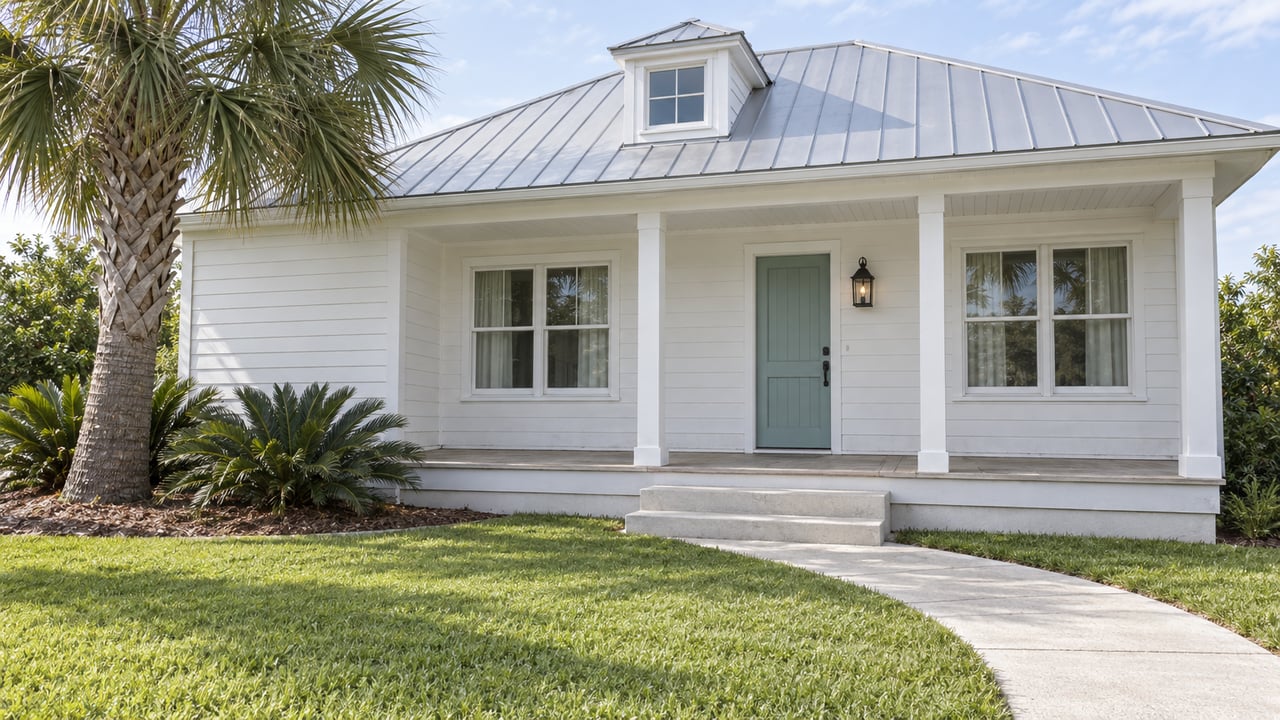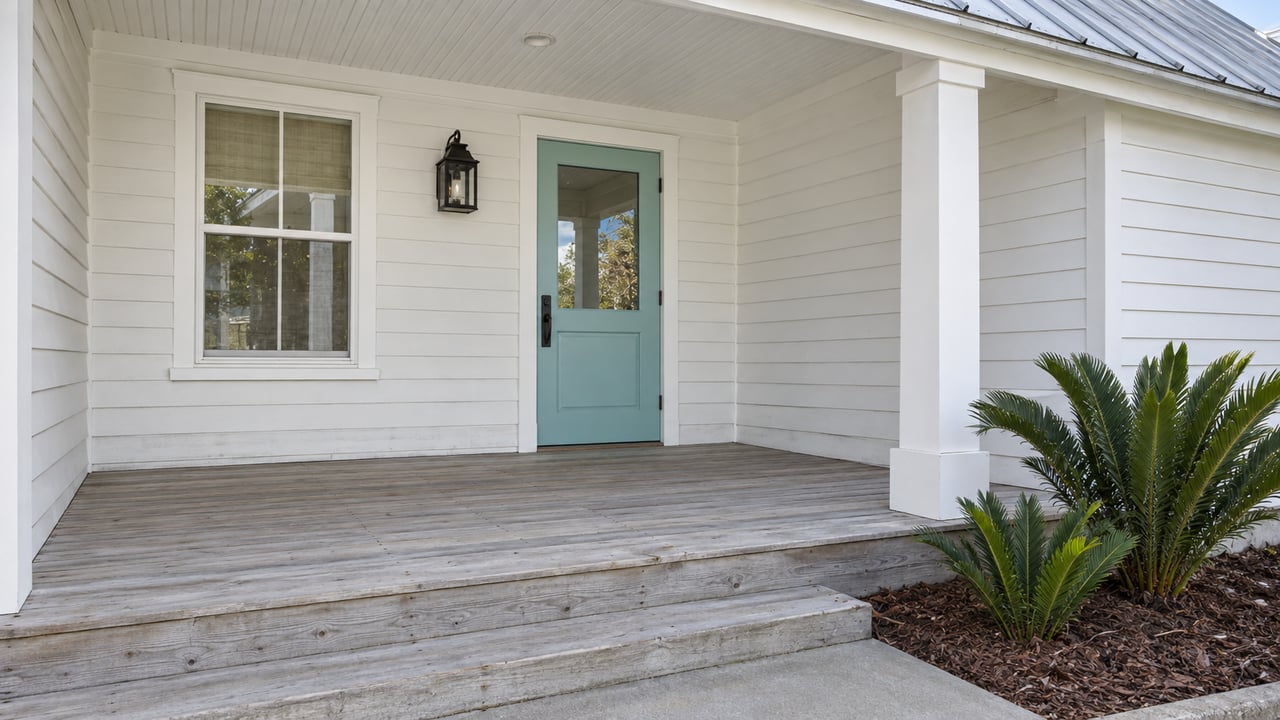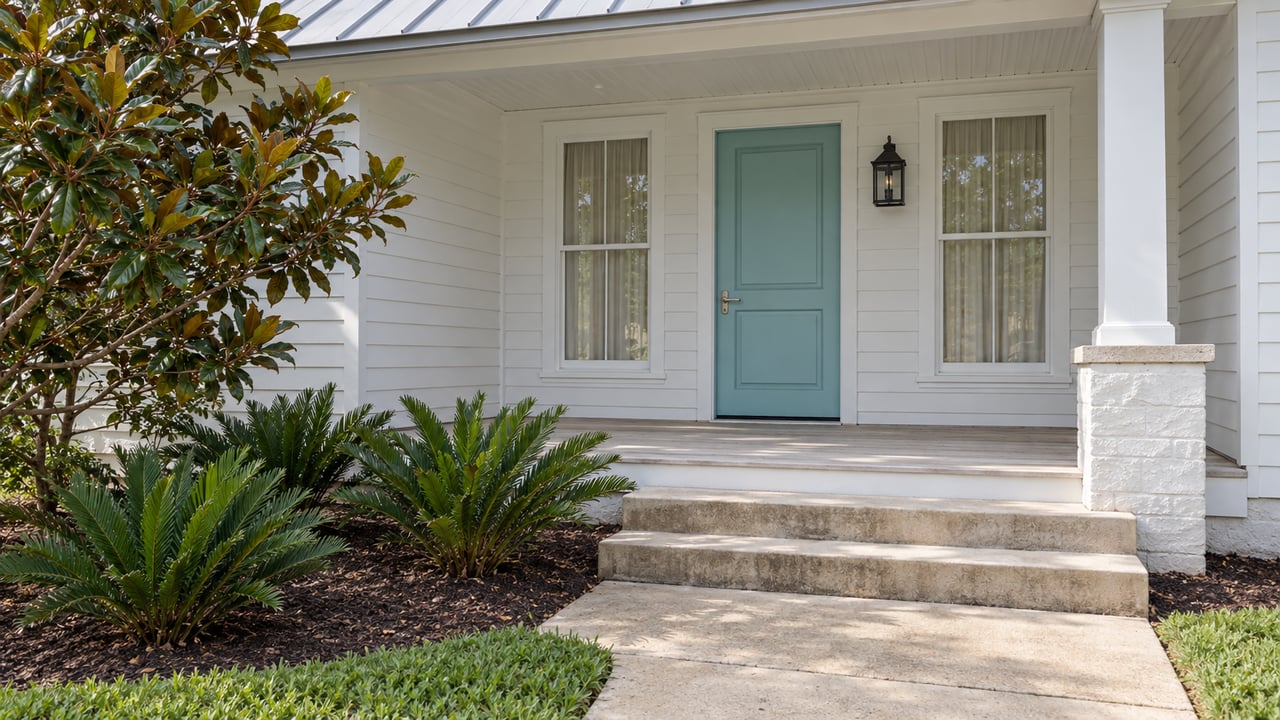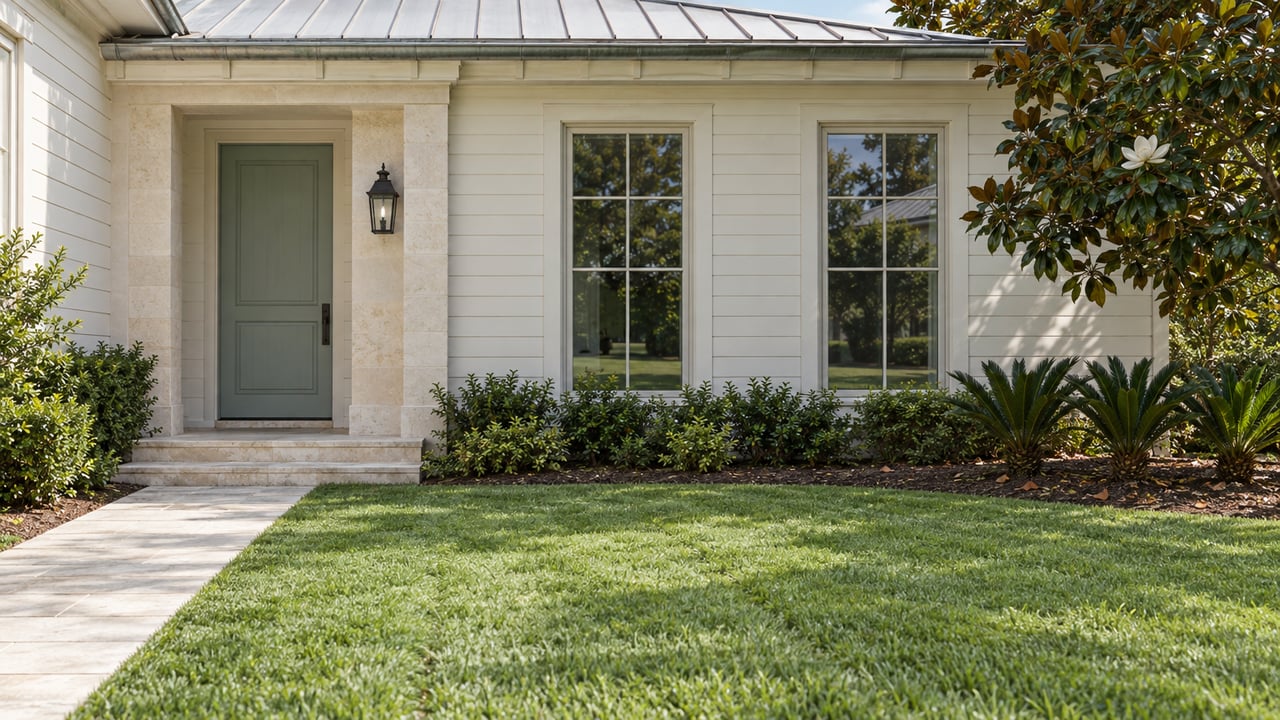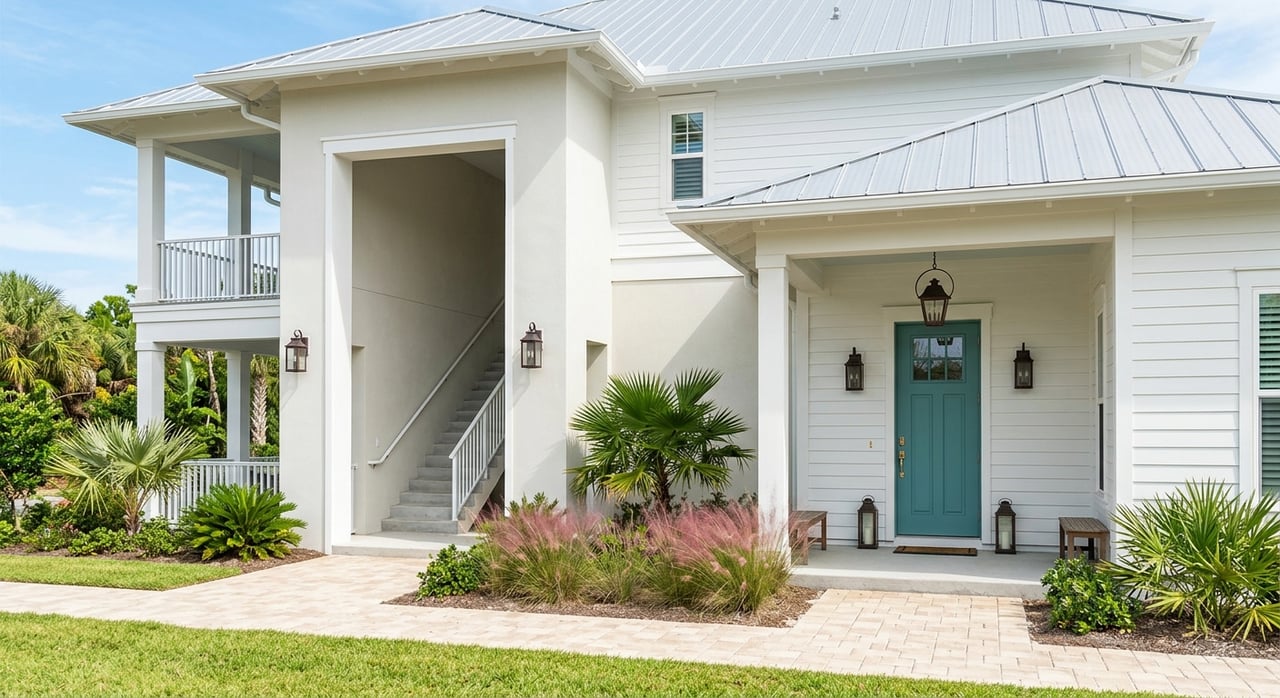
Trying to decide between a condo-style property and a detached home in Plantation Bay? It is a common question, especially if you want the right mix of comfort, upkeep, privacy, and long-term flexibility. The good news is that Plantation Bay offers both options, and each can work well depending on how you plan to live there. Let’s break down what matters most so you can compare your choices with confidence.
Plantation Bay at a Glance
Plantation Bay Golf & Country Club is a 3,600-acre gated community in Ormond Beach that spans both Flagler and Volusia counties. It is an all-ages community, which is important if you are looking for an active lifestyle setting but do not want a age-restricted environment.
Another key point is that the master HOA is separate from the club, and neighborhood sub-associations may handle certain area-specific matters. Club membership is optional, not automatically included with ownership, and the club offers tiered memberships with food and beverage minimums applying to all membership levels.
Condo-Style Living in Plantation Bay
If you want a simpler day-to-day lifestyle, condo-style living may be the better fit. In Plantation Bay, attached options include townhomes and club villas that are designed for low-maintenance ownership.
These homes are often described as lock-and-go properties because owners typically do not handle yard work or exterior maintenance. For many seasonal residents, downsizers, and second-home buyers, that can be a major advantage.
What attached homes typically offer
Plantation Bay’s villa and townhome floor plans are generally between 1,562 and 2,078 square feet. They usually include two-car garages, which gives you practical storage and parking without the larger footprint of a detached house.
In Plantation Point, one of the most visible condo-style sections in public records, the community includes 48 units across 12 two-story buildings. Units are typically 2-bedroom, 2-bath layouts of about 1,300 square feet.
What the tradeoff looks like
The biggest appeal of condo or villa living is ease. You usually get less exterior work, fewer routine chores, and a setup that can be easier to leave for extended periods.
The tradeoff is that you may have less privacy, less outdoor control, and more reliance on association rules. If having your own yard, more separation from neighbors, or freedom to make exterior changes matters to you, this is worth weighing carefully.
What fees may cover
Public listing examples for Plantation Point show HOA dues ranging from about $275 to $517 per month, with some listings quoting quarterly fees instead. One current listing says the HOA fee includes structure maintenance, pest control, private road, and security.
Because fee structures can vary by unit and sub-association, it is smart to confirm exactly what is included before you make comparisons. Two homes with similar asking prices can feel very different once monthly or quarterly costs are added in.
Single-Family Homes in Plantation Bay
If you want more space, privacy, and control, a single-family home may be the stronger option. Plantation Bay includes custom Florida homes, preserve-backed neighborhoods, and homes on larger lots.
Detached homes tend to appeal to buyers who want room to spread out and personalize their property. You may also find more variety in home style, lot size, and outdoor living features.
Why buyers choose detached homes
A single-family home often gives you more control over the home, yard, and exterior choices than a condo-style property. That can be a major plus if you enjoy gardening, want a pool, need more storage, or simply prefer more separation from neighbors.
For some buyers, that added control is worth the extra responsibility. For others, especially seasonal owners, the upkeep can feel like more than they want to manage.
HOA costs can still vary
Detached homes are not always as simple as having one flat HOA fee. Current listing examples show a wide range of carrying costs, including $363 per quarter plus a separate $132 monthly HOA component, $286 per quarter on a new-construction home, and $1,452 per year on a lakefront pool home.
That variation matters because some detached sections still have layered HOA costs. If you are comparing a house to a condo, ask for a full breakdown of all association fees, not just the headline number.
How to Compare Lifestyle Fit
For many buyers, this choice comes down to daily life rather than square footage alone. The best property type is usually the one that fits how often you will be there, how much upkeep you want, and how much control you want over the property.
Here is a simple way to think about it:
Condo or villa may fit you better if you want:
- A lock-and-leave setup
- Less routine maintenance
- No yard work or exterior upkeep
- A practical option for seasonal use
- A downsizing-friendly floor plan
Single-family home may fit you better if you want:
- More privacy
- More indoor and outdoor space
- Greater customization
- A larger lot
- More control over the exterior and yard
Rental Rules and Flexibility Matter
If rental potential is part of your decision, you will want to look closely at both the club rules and the sub-association documents. Plantation Bay Country Club membership rules say residents can designate tenants as the beneficial user of club privileges only when the lease term is at least seven months, subject to approval and a tenant administrative fee.
That does not mean every home has the same leasing standards, because the neighborhood association documents also matter. In Plantation Point, public sources conflict on minimum lease length, with one rules document stating a one-month minimum and another directory listing a three-month minimum.
This is a good example of why buyers should verify current governing documents before making assumptions. If you may rent the property in the future, even occasionally, this step is essential.
What to Know About Condo Regulations
Because Plantation Point buildings are described as two stories, Florida’s milestone inspection and structural integrity reserve study rules for condominiums that are three stories or higher would generally not apply there. Still, you should verify the exact parcel and governing documents for the unit you are considering.
That matters because condo regulations and reserve obligations can affect costs, planning, and buyer comfort. Even when a rule may not apply broadly, confirming the details for the exact property protects you from surprises later.
Resale Considerations in Plantation Bay
From a resale standpoint, Plantation Bay has a few built-in advantages. Its all-ages setup and optional club membership can broaden the potential buyer pool compared with communities that are age-restricted or require bundled membership.
At the same time, higher condo dues and tighter rental rules can narrow the field for some buyers. That does not make condo-style properties a poor choice, but it does mean your future buyer may weigh affordability and flexibility differently than someone shopping for a detached home.
Smart Questions to Ask Before You Buy
No matter which property type you prefer, a few verification steps can help you make a cleaner comparison.
Before touring or offering, confirm:
- The exact sub-association for the property
- Which county the parcel is in
- The current HOA and any layered fees
- What the fees include
- Whether club membership is optional for that property
- The membership tier details and food and beverage minimums
- The current rental rules for the specific unit or neighborhood
- Any approval requirements that apply to owners or tenants
Which Option Is Right for You?
If you are a seasonal owner, snowbird, or buyer who wants fewer chores, a condo, villa, or townhome in Plantation Bay may be the easier fit. If you want more privacy, more customization, and more room to spread out, a detached home will often give you that flexibility.
The right answer depends on how you plan to use the property, how hands-on you want to be, and which costs matter most in your monthly budget. A side-by-side review of fees, rules, and maintenance responsibilities usually makes the decision much clearer.
If you want help comparing specific condos, villas, and single-family homes in Plantation Bay, Geri Davis can help you sort through the details and find the option that fits your lifestyle and goals.
FAQs
Is Plantation Bay a 55+ community?
- No. Plantation Bay is an all-ages gated community, not a senior-only community.
Are club memberships required for Plantation Bay owners?
- No. Club membership is optional, and the club offers tiered memberships with food and beverage minimums.
What is the main benefit of a condo or villa in Plantation Bay?
- The main benefit is lower day-to-day upkeep, since attached options are designed as low-maintenance, lock-and-go homes with no yard work and no exterior maintenance obligations.
What is the main benefit of a single-family home in Plantation Bay?
- A single-family home usually offers more privacy, more space, and more control over the home, yard, and exterior choices.
Do Plantation Bay condo fees and home HOA fees vary by neighborhood?
- Yes. Public examples show that both condo dues and detached-home HOA costs can vary depending on the specific property and sub-association.
Can you rent out a property in Plantation Bay?
- Possibly, but rental rules vary. Buyers should verify the current lease restrictions in the specific sub-association documents and review any club-related tenant rules that may apply.