Thinking about selling in Plantation Bay? Buyers come for the private, gated lifestyle, the club amenities, and the easy coastal access. With the right prep, you can turn those advantages into a faster sale and a stronger final price. In this guide, you will get a clear, local plan that covers timing, HOA and disclosure steps, smart inspections, high‑ROI updates, staging, and a simple week‑by‑week checklist. Let’s dive in.
Nail the timing for Plantation Bay
Plantation Bay sits inside a coastal market where buyers are active most of the year. Spring often concentrates buyer demand, and winter snowbird activity keeps traffic steady. That means you have options, but planning matters.
- Aim to complete repairs, approvals, photos, and paperwork before your chosen launch window.
- If you plan exterior work or photography, remember Florida’s hurricane season runs June 1 through November 30. Schedule projects and shoots to avoid storm disruptions when possible. You can see seasonal details from NOAA’s hurricane research division for context at the NOAA Hurricane Research Division.
- If your timeline is flexible, target early to mid spring for maximum visibility. If you need to sell sooner, a clean, move‑in ready presentation still wins attention year‑round.
Get HOA and disclosures right
Buyers in Plantation Bay expect a smooth process. You set that tone by getting ahead of the HOA, estoppel, and disclosure steps.
Order the resale or estoppel packet early
Plantation Bay has HOA management and resident portals for document requests. Expect to request your resale or estoppel materials through the HOA or its management company. The public site outlines how residents log in and make requests at the Plantation Bay Community Association portal.
Under Florida law, associations must provide estoppel information within specific timeframes and fee caps. For condominium associations, see the statute on estoppel certificates and timing at Florida Statute 718.116. Many resale packets take time to prepare, so order them as soon as you decide to list. Who pays the estoppel fee can be negotiated, but it is often treated as a seller closing cost.
Confirm sign, access, and open‑house rules
Gated communities typically have rules around directional signs, on‑site open houses, and agent access at the gate. Check your governing documents and confirm current rules with management. Florida’s HOA chapter outlines association powers and owner rights at Florida Statute Chapter 720. In practice, rely on the community’s written rules and the HOA’s guidance so you stay compliant from day one.
Assemble a clean disclosure folder
Use the most current seller property disclosure forms and be thorough. Include permits for recent work, roof and HVAC receipts, pool service records, and any termite or WDO reports you already have. Updated disclosure guidance rolled out in 2024, so make sure you and your agent use current versions and disclose all known material facts. A complete folder reduces buyer questions and supports a smoother inspection and underwriting phase.
Complete smart pre‑listing inspections
A seller‑ordered pre‑inspection helps you control the process. You can repair what makes sense, price with confidence, and avoid last‑minute surprises.
Here is the inspection suite that works well for Plantation Bay homes:
- Full home inspection. Cover structure, roof access, electrical, plumbing, and HVAC.
- WDO or termite inspection. Wood‑destroying organism findings are a common negotiation item in Florida. Learn how WDO reports work at this overview of WDO inspection reports and forms.
- Roof inspection or certification. If the roof is near insurer or lender age thresholds, get ahead of it with a written assessment and repair quotes if needed.
- Pool and equipment check. Verify pump performance, safety features, screen enclosure condition, and any leaks.
- Wind‑mitigation inspection. A Uniform Mitigation Verification Inspection documents hurricane‑hardening features like impact windows, shutters, and roof‑to‑wall connections. Many insurers offer credits for documented features. See state guidance on wind mitigation at MyFloridaCFO’s mitigation page.
- 4‑point inspection. For older homes, insurers often ask for a 4‑point that covers roof, electrical, plumbing, and HVAC. Learn what it includes at this 4‑point inspection overview.
- Septic inspection if applicable. Many properties tie into public systems, but if you have septic, get it inspected and serviced before listing.
Most specialty inspections are quick to schedule and cost a few hundred dollars each. Combine appointments where possible to save time. Your agent can coordinate trusted local vendors so you keep momentum.
Make high‑ROI updates buyers love
You do not need a full remodel to make a big impact. National benchmarks show the best returns often come from modest, exterior, or cosmetic projects. Remodeling Magazine’s latest Cost vs. Value report highlights items like garage doors, steel entry doors, manufactured stone veneer, fiber‑cement siding, neutral paint, and minor kitchen refreshes as consistent high performers. You can review the national ROI trends at the Cost vs. Value report.
Prioritize these updates for Plantation Bay’s buyer profile:
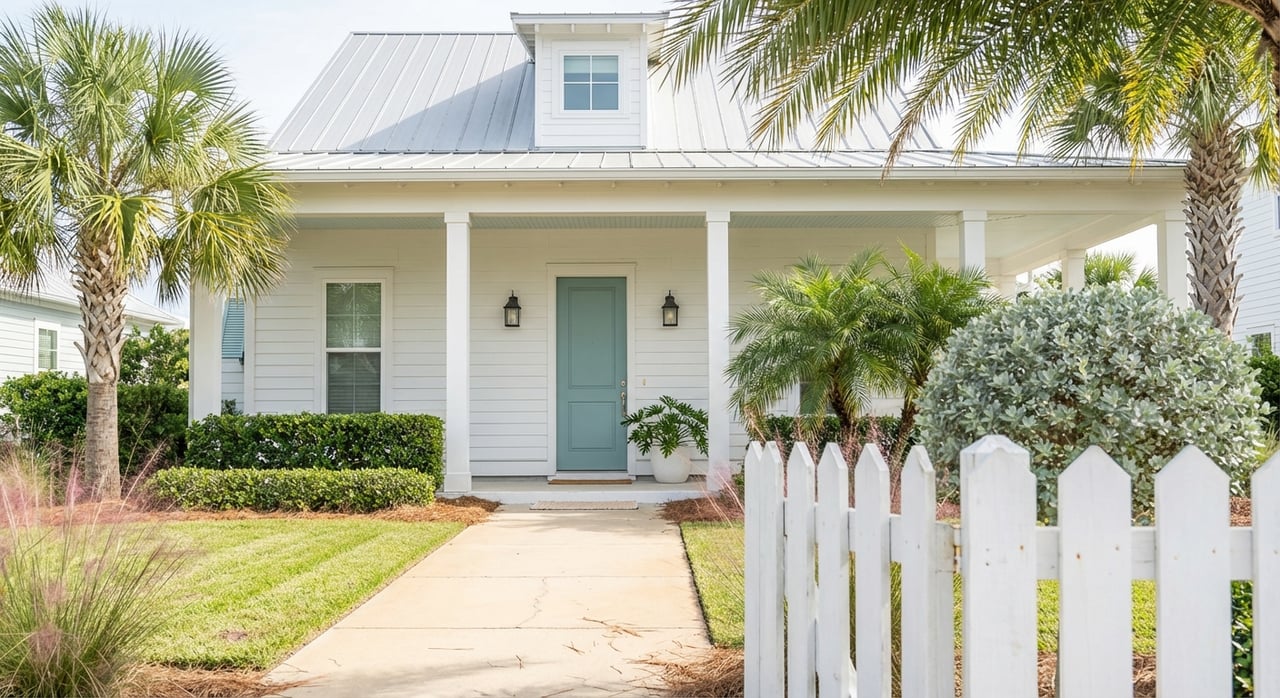
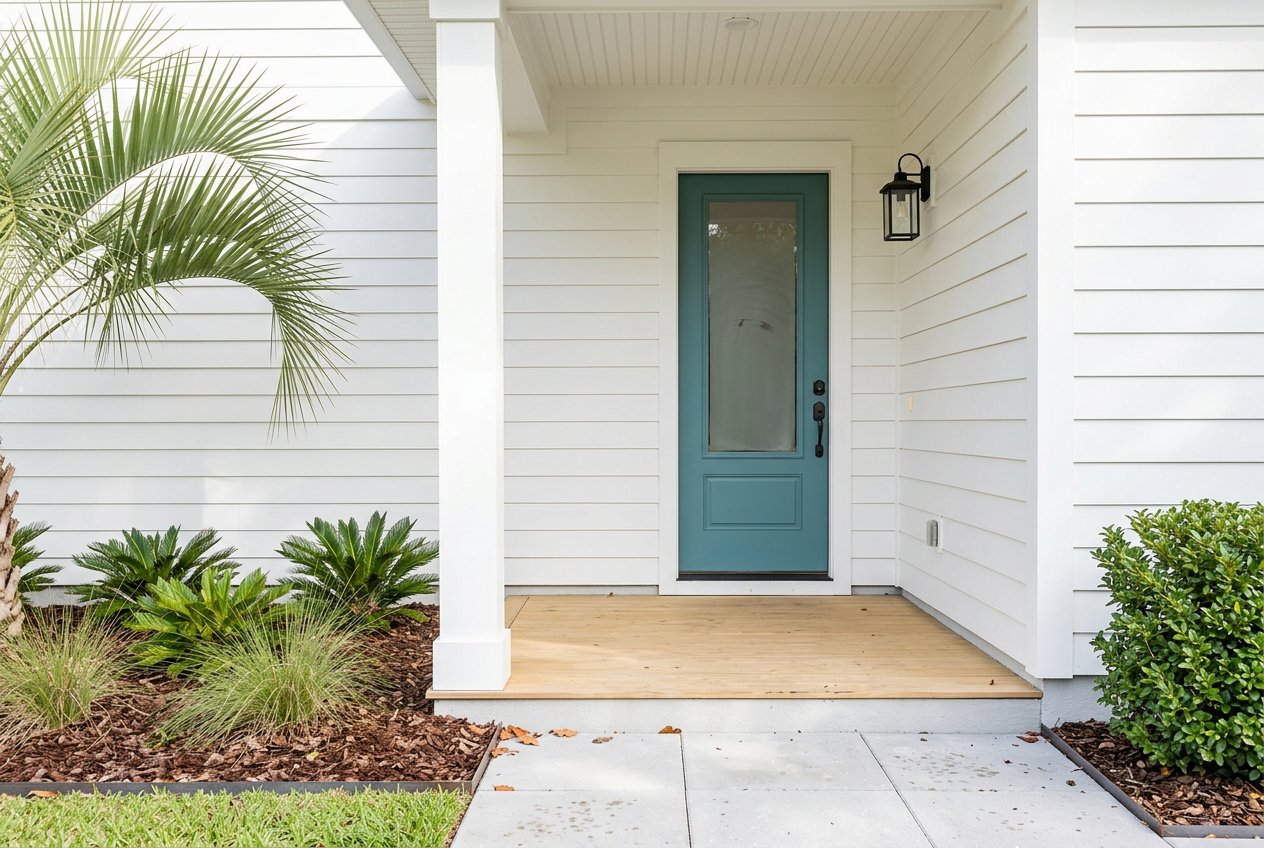
- Curb appeal first. Pressure‑wash hard surfaces, refresh mulch, trim hedges and palms, and update mailbox or front‑door hardware. If your garage or front door is tired, a replacement often delivers strong return and better first impressions.
- Neutral interior paint and deep cleaning. A fresh, light palette and clean lines help rooms feel larger and move‑in ready.
- Minor kitchen refresh. Consider cabinet refacing, new pulls, and durable midrange counters. Small changes read as big value in photos and showings.
- Fix inspection issues. Roof, HVAC, and pool equipment should feel solid and documented. Receipts and warranties build buyer confidence.
- Lanai and screen care. In a golf‑community, the outdoor living space sells the lifestyle. Repair screens, clean pavers, and stage a simple seating area.
- Market wind‑mitigation features. Impact glass, shutters, strap connections, or an upgraded garage door can help buyers with insurance and peace of mind. Tie this to a current wind‑mit report where possible.
Check HOA approvals before exterior work
Architectural changes, exterior colors, doors, driveways, and even some landscaping items can require approval in a gated community. Review your governing documents and submit for architectural review if needed. Start early to keep your timeline on track. See association powers and processes in Florida Statute Chapter 720, and use the Plantation Bay Community Association portal to verify current procedures.
Stage the golf‑community lifestyle
Plantation Bay is about comfort, recreation, and convenience. Your staging should make those benefits obvious.
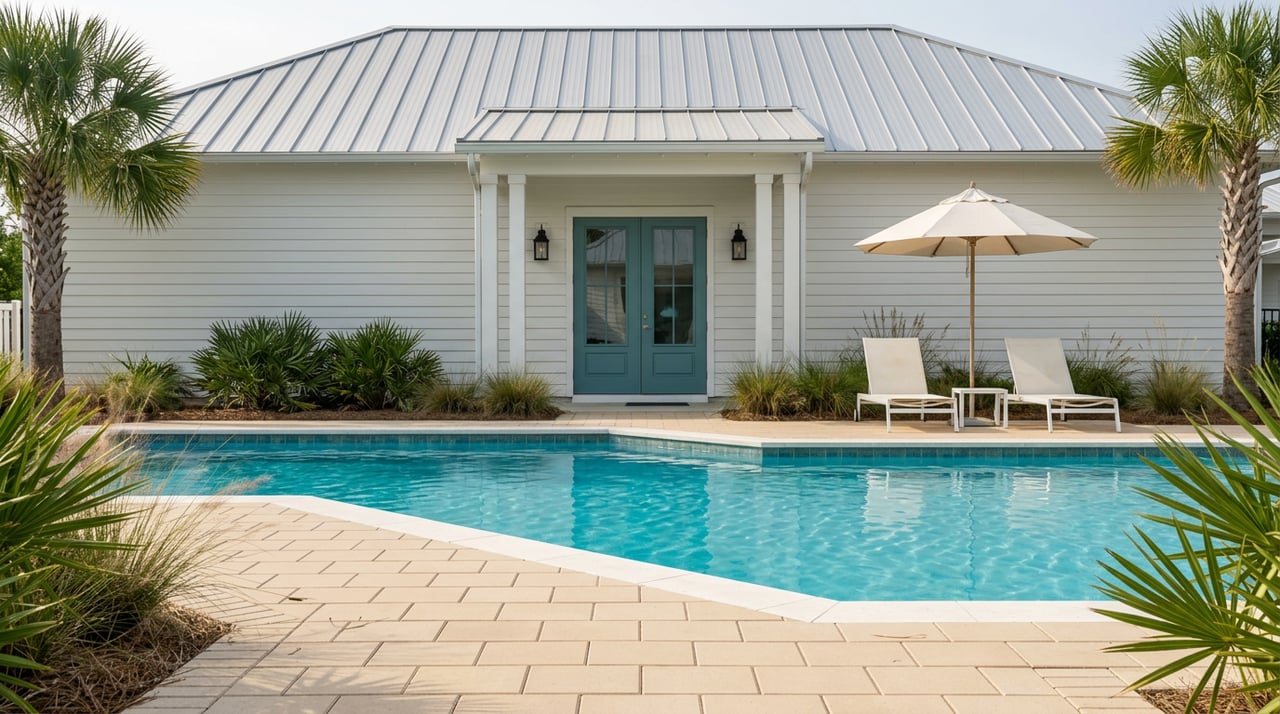
- Highlight outdoor living. Dress the lanai with clean outdoor furniture, potted plants, and a tidy grill area. If you have a pool, keep water crystal clear and mechanicals quiet.
- Simplify and brighten. Remove excess furniture, open blinds, and add neutral textiles. Aim for a breezy, coastal feel that photographs well.
- Spotlight club‑adjacent perks. A simple printed features sheet can point to proximity to golf, fitness, dining, and racquet facilities. For community context, direct interested buyers to the Plantation Bay Golf & Country Club site.
- Book professional photography. Plan for daytime and twilight shots that show off outdoor spaces and lighting. Confirm gate access for your photographer and stager in advance.
A simple 6‑week plan that works
Use this timeline as a starting point and adjust for your schedule.
Weeks 6 to 4: Plan and paper up
- Meet with your listing agent for a pricing and strategy session tailored to Plantation Bay.
- Request the HOA resale or estoppel packet. Florida law allows specific delivery windows, so start early per Florida Statute 718.116.
- Order your pre‑listing inspections. Start with general home and WDO, then add roof, pool, wind‑mit, and 4‑point if applicable.
- Collect permits, warranties, past repair receipts, and service records.
Weeks 3 to 2: Repairs, approvals, and staging
- Complete priority repairs. Tackle safety and highly visible items first.
- Submit any required HOA architectural requests for exterior updates.
- Prepare your disclosure packet and confirm you are using current forms.
- Schedule staging and professional photography. Plan twilight shots for outdoor spaces.
Week 1: Final prep and launch
- Deep clean, declutter, and finish paint touch‑ups.
- Stage indoor and outdoor areas, including the lanai and pool deck.
- Confirm gate and showing access with the HOA or management via the Plantation Bay Community Association portal.
- Go live mid‑week if possible to capture weekend traffic. Follow community rules for signage and any open houses per Florida Statute Chapter 720 and HOA guidance.
What your agent handles for you
A local, hands‑on agent can save you time and reduce stress. Here is where a pro makes the biggest difference:
- HOA and estoppel coordination. Order and track the resale packet, confirm fees, and manage timing.
- Vendor scheduling. Book trusted inspectors and contractors for WDO, roof, pool, wind‑mit, and 4‑point, then sequence repairs to meet your list date.
- Pricing and launch strategy. Align price with Plantation Bay comps and time your debut for maximum visibility.
- Gate and showing logistics. Pre‑register showing agents, provide clear directions, and manage any open‑house approvals.
- Negotiation and escrow. Navigate inspection responses, coordinate credits versus repairs, and keep title, HOA payoffs, and closing tasks moving.
Ready to get your Plantation Bay home market‑ready with less stress and more confidence? Reach out to Geri Davis for a quick plan, trusted local vendors, and a tailored pricing strategy that fits your goals.
FAQs
What documents do I need to sell a home in Plantation Bay?
- You will need the HOA resale or estoppel packet, a current seller property disclosure, permits and warranties for recent work, and any inspection reports you plan to share. Order the HOA packet early to keep your timeline on track.
How do HOA rules affect signs and open houses in a gated community?
- Many gated communities regulate signage, open houses, and broker access. Confirm the current rules with your HOA and follow Florida’s HOA statute. Your agent should coordinate approvals and gate procedures before you go live.
Which pre‑listing inspections help the most in coastal Florida?
- A general home inspection, WDO or termite inspection, roof check, pool inspection, wind‑mitigation inspection, and a 4‑point for older homes cover the big items. These reports help you fix issues up front and give buyers confidence.
Do wind‑mitigation features help buyers with insurance?
- Yes. Documented features like impact windows, shutters, roof‑to‑wall connections, and reinforced garage doors can qualify buyers for insurance credits. A current wind‑mitigation inspection makes these benefits clear.
When is the best time to list a Plantation Bay home?
- Spring often concentrates buyers and showings, but Plantation Bay sees activity year‑round. If you are planning exterior projects or photos, consider hurricane season timing and schedule accordingly.
What updates usually deliver the best return before listing?
- Curb appeal upgrades, a new garage or entry door, neutral interior paint, and a minor kitchen refresh are reliable winners. Combine those with a spotless lanai and pool area for strong first impressions.